
Amino Acid Protecting Groups
The 20 common amino acids can be classified into several categories based on their side-chain properties: aliphatic amino acids (Ala, Gly, Val, Leu, Ile), aromatic amino acids (Phe, Tyr, Trp, His), amide or acidic side-chain amino acids (Asp, Glu, Asn, Gln), basic side-chain amino acids (Lys, Arg), sulfur-containing amino acids (Cys, Met), hydroxyl-containing amino acids (Ser, Thr), and imino acids (Pro).
In multi-cycle peptide synthesis, protecting groups for amino acids are exceptionally critical, directly determining the success rate of sequence synthesis. Because many of the 20 common amino acids contain highly reactive side chains, they must be securely protected as a general requirement. These protecting groups must remain completely stable during the coupling process to prevent side reactions and must be capable of quantitative deprotection after synthesis is complete.
Amino acids that generally require side-chain protection during synthesis include: Cys, Asp, Glu, His, Lys, Asn, Gln, Arg, Ser, Thr, Trp, and Tyr. Specifically, protecting groups are mandatory for the hydroxyl, sulfhydryl, thioether, amino, guanidino, amido, indole, and imidazole functional groups. Among them, Trp can occasionally remain unprotected due to the relatively low reactivity of its indole moiety. However, under specialized conditions, certain other amino acids such as Asn, Gln, Thr, and Tyr may also be utilized without side-chain protection.
■ Figure 1: Core Molecular Structures of Primary Protecting Groups (Z / BOC / FMOC)
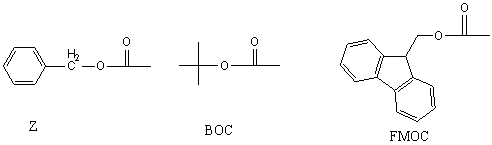
■ Table 1: Deprotection Conditions for 3 Common Amino Protecting Groups
| Protecting Group | TFA | HBr / TFA | H2 / Pd-C | Piperidine / DMF |
|---|---|---|---|---|
| Boc | y | y | n | n |
| Z | n | y | y | n |
| Fmoc | n | y | n | y |
Orthogonal Protection Strategies in Peptide Synthesis
There are numerous varieties of amino acid side-chain protecting groups. The same individual side-chain functional group can be protected by multiple alternative protecting groups, which can be selectively cleaved under distinct chemical environments. This orthogonality is of paramount significance for backbone cyclization modifications and specialized side-chain peptide branching synthesis.
Furthermore, the selection of side-chain protection is inherently locked to the chosen methodology of peptide assembly. The specific side-chain protection matrices differ completely between liquid-phase peptide synthesis (LPPS) and solid-phase peptide synthesis (SPPS), just as they do between standard Boc and Fmoc assembly strategies. In a fundamental sense, the core chemistry of peptide synthesis revolves around the flexible manipulation and optimal pairing of various amino acid protecting groups.
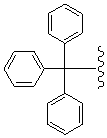
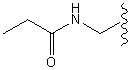
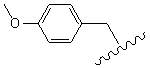
■ Table 2: Common Side-Chain Protecting Groups for Cysteine (Cys)
| Abbreviation | Chemical Structure Diagram | Deprotection Conditions |
|---|---|---|
| Trt |
|
TFA, HCl/HOAc, I2 / MeOH |
| Acm |
|
I2 / MeOH, Hg2+ |
| Mob |
|
HF, TFMSA, Hg2+ |
■ Table 3: Common Side-Chain Protecting Groups for Lysine (Lys)
| Abbreviation | Chemical Structure Diagram | Deprotection Conditions |
|---|---|---|
| Trt |
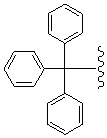
|
TFA, HOAc, HCOOH |
| Boc |
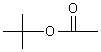
|
HCl / HOAc, TFA / DCM |
| Fmoc |
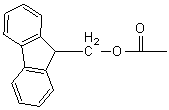
|
Pip / DMF, NaOH / MeOH |
| Dde |
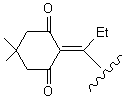
|
H2NNH2 / DMF |
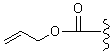
| Allyl |
|
Pd(Ph3P)4, Morpholine / THF |
■ Table 4: Common Side-Chain Protecting Groups for Aspartic Acid (Asp)
| Abbreviation | Chemical Structure Diagram | Deprotection Conditions |
|---|---|---|
| Otbu |

|
TFA, HOAc, HCOOH |
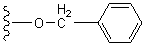
| OBzl |
|
H2/Pd, HF, TFMSA |
| OMe |

|
NaOH / MeOH |
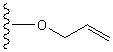
| OAll |
|
Pd(Ph3P)4, Morpholine / THF |
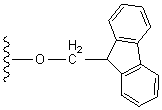
| OFm |
|
Pip / DMF, DBU / DMF |