
Mechanisms of Peptide & Protein Methylation
Methylated peptides, also referred to as methylation-recognized target peptides, represent critical post-translational modifications (PTMs) that regulate a vast array of eukaryotic cellular events. This biological process involves the covalent attachment of methyl groups to specific amino acid residues, catalyzed by highly specialized protein methyltransferases. Methylation plays a critical role in chromatin remodeling, gene silencing, transcriptional regulation, and epigenetic signaling networks. Recent biochemical research indicates that aberrant or altered methylation patterns on histone tails are directly correlated with DNA damage response failures, chromosome inactivation, and tumor progression. Consequently, engineering precisely structured methylated peptides has emerged as a cornerstone methodology for structural biologists and epigenetic drug discovery teams.
In vivo, the primary chemical targets for enzymatic methylation are Lysine (Lys) and Arginine (Arg) residues. Histone core methylation acts as a key epigenetic switch that directly modulates chromatin condensation and selectively recruits downstream transcription factors. To support advanced chemical biology profiling, Genixpep has engineered a robust, high-efficiency solid-phase modification platform capable of yielding site-specific, high-purity mono-, di-, and tri-methylated peptide blocks tailored for international laboratory environments.
Advanced Methylation Modifications (Me1, Me2, Me3)
To overcome the synthetic challenges associated with structural steric hindrance during coupling, Genixpep exclusively utilizes premium-grade pre-methylated Fmoc monomers. Our platform guarantees precise structural preservation and absolute control over mono-, di-, and tri-methyl states without side-chain cross-reactivity.
Solid-Phase Assembly & Synthesis Execution
By utilizing precisely protected building blocks during standard solid-phase peptide synthesis (SPPS) workflows, we completely eliminate spontaneous over-methylation and regional isomer formations. This ensures that the targeted Lysine or Arginine side-chain amine houses the exact intended molecular charge, maintaining native binding affinity configurations.
Downstream Purification & Structural Validation
All crude methylated fragments undergo rigorous reversed-phase preparative High-Performance Liquid Chromatography (HPLC) purification. Final deliverables are consistently accompanied by standard Quality Assurance documentation, including comprehensive mass spectrometry (MS) profiles, analytical HPLC chromatograms, and Certificates of Analysis (COA) to guarantee structural purity.
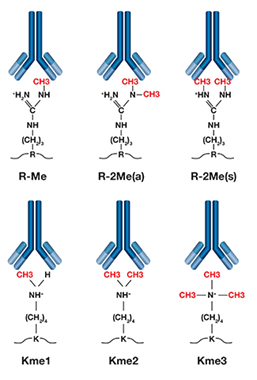
Case Studies: High-Difficulty Methylated Sequences Delivered
Below are representative custom sequences successfully synthesized, purified, and verified by our engineering team, demonstrating multi-site capability and co-modification compatibility.
| Project ID | Target Sequence Sequence Configuration | Modification Type | Guaranteed Purity |
|---|---|---|---|
| GP-METH-01 | Pro-Arg-Thr-Pro-Pro-Arg(Me)-Pro-Ser-Gln-Gly-Lys-NH2 | Side-Chain Mono-Methylation | ≥ 95% (HPLC) |
| GP-METH-02 | Biotin-Ile-Lys(Me2)-Gly-Glu-Phe-NH2 | N-Terminal Biotinylation + Internal Di-Methylation | ≥ 98% (HPLC) |
| GP-METH-03 | Pro-Arg(Me2, asymmetrical)-Ser-Lys-Asn-NH2 | Asymmetrical Di-Methylation | ≥ 95% (HPLC) |